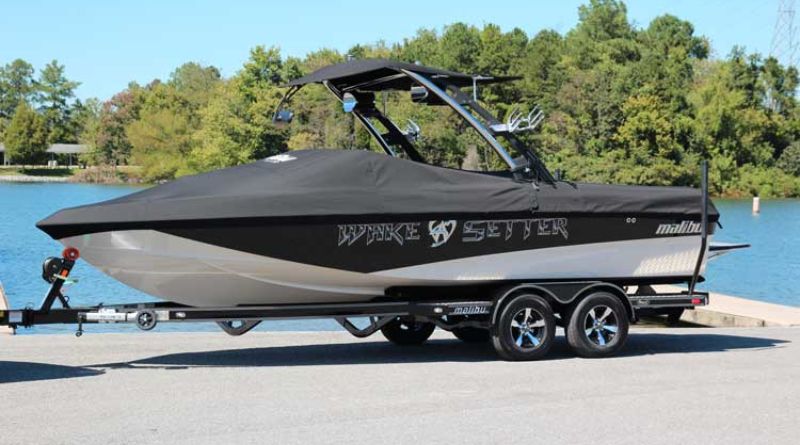
Keeping a boat in pristine condition requires more than just regular cleaning and engine checks. One of the most effective ways to protect your investment is by using a high-quality boat cover, which acts as a barrier against harsh weather, dirt, UV rays, and moisture. Whether you enjoy spending time on your favorite lake or docking your boat at marinas year-round, the right cover and maintenance routine are crucial for maintaining its longevity. If you’re seeking reliable custom boat covers Lake of the Ozarks, ensuring you care for them properly will maximize their protective value and return on investment.
Even the most robust marine-grade fabrics can degrade over time if neglected. Dirt, inclement weather, and continual sun exposure gradually break down material strength and waterproofing capabilities. With a proactive maintenance approach, however, you can dramatically extend your cover’s usable lifespan, keeping both your boat and its cover looking and performing at their best.
A commitment to regular maintenance is not only about protection—it’s about peace of mind. By prioritizing cover care, boat owners safeguard their vessel year-round, reduce repair costs, and ensure a hassle-free start when boating season returns.
Regular Cleaning
Dirt, leaves, bird droppings, and other debris can degrade your cover’s fabric, causing permanent staining and abrasion. Experts recommend cleaning your boat cover at least once per month, or more frequently during periods of heavy use. Use a soft-bristled brush and a mild soap solution—never harsh detergents—as these can damage water-repellent coatings and fabric fibers. Rinse all soap residues thoroughly with cool water and hang the cover to air dry completely before reinstalling.
Pressure washers may seem like a fast cleaning solution, but high-pressure streams can tear seams and damage coatings. Gently scrubbing allows you to inspect the material for early signs of wear, maximizing time to address minor issues before they become costly repairs.
Preventing Mold and Mildew
Moisture is the enemy of both your boat and its cover. Mold and mildew can develop rapidly in humid or wet conditions, damaging covers and creating health risks. Always ensure your cover is completely dry before storing to inhibit microbial growth. Many premium covers feature integrated ventilation systems designed to increase airflow and deter condensation—select covers with this feature whenever possible.
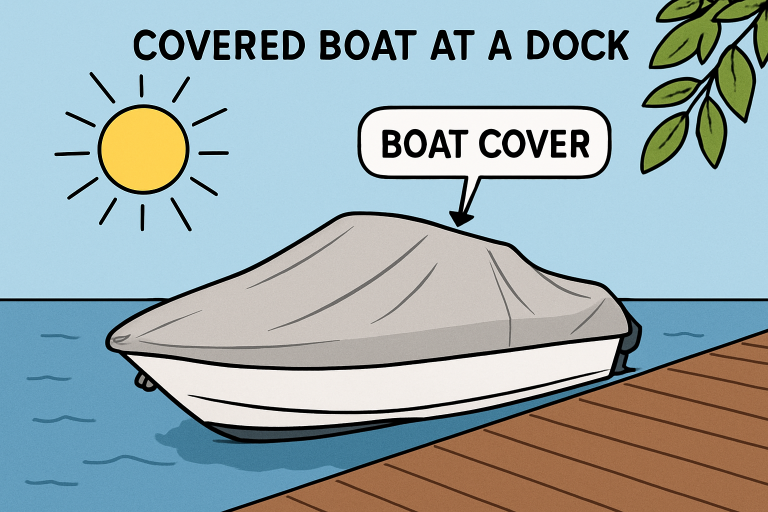
If mildew does appear, scrub the area with a mixture of one cup of bleach, a quarter cup of mild soap, and one gallon of water. Rinse thoroughly and allow to air dry completely. The Centers for Disease Control and Prevention (CDC) provides additional guidance on managing mold exposure and safe cleaning methods.
UV and Water Protection
Constant sun exposure will, over time, degrade even the toughest marine fabric. Fading, brittleness, and loss of water repellency are all signs that your cover’s UV defense is wearing thin. To combat these effects, apply a UV-protectant spray designed specifically for marine fabrics at least once per boating season. These solutions help maintain color, flexibility, and increase the effective lifespan of your cover.
Reapply a suitable waterproofing agent after each thorough cleaning or as soon as you notice diminished water beading on the fabric. Specialty sprays like 303® Marine Fabric Guard not only renew water repellency but also enhance protection from UV rays.
Proper Storage
When your boat is not in use, storing the cover correctly can make a significant difference in its longevity. Store your boat cover in a cool, dry, shaded area. Loosely fold or roll it to minimize creasing, as this can weaken the fabric over time. Avoid stacking heavy objects on top of the cover while it is stored, as this can distort its shape and damage the water-repellent coatings.
A breathable storage bag can provide an extra layer of protection against dust, pests, and accidental tears. Tuck a moisture-absorbent packet in the bag for added protection, especially if your storage area is prone to humidity.
Inspecting for Damage
At least twice a season, inspect the entire cover for tears, frayed seams, worn spots, broken grommets, or failing straps. Addressing these problems early prevents minor issues from escalating into extensive and expensive repairs. Many small tears can be patched with marine-grade repair tapes or kits, but extensive damage may require professional repair or replacement if the cover’s protective powers are compromised.
Using Support Systems
Sagging sections of your boat cover allow water to pool, increasing weight and the risk of tears. Prevent this by helping the cover shed precipitation with cover support systems, such as adjustable poles, straps, or bows. These not only distribute the weight evenly for a better fit but also discourage the formation of standing water, mildew, and material stretching.
Reapplying Waterproofing
Over time, exposure to the elements will diminish the water repellency of your cover. After cleaning and drying, apply a reputable waterproofing spray formulated explicitly for marine fabrics. This step is fundamental to restoring the cover’s protective layer and ensuring that water continues to bead up and roll off, rather than soaking in and causing damage.
Conclusion
With regular attention and a simple care routine, you can extend the lifespan of your boat cover by several years. Clean often, protect against sun and water damage, store correctly, inspect for problems, and don’t neglect periodic waterproofing. By following these essential maintenance tips, your boat and its cover will remain in top condition, ready to protect your investment and enjoyment on the water for seasons to come.